

Italy’s Conferenza Episcopale Italiana (CEI) manages more than 25,000 church buildings across the country, representing one of Europe’s largest and most flood-exposed property portfolios. In 2025, CEI adopted a portfolio-wide Parametric Flood policy powered by Floodbase. The policy already triggered during fall flood events, delivering immediate liquidity to address any impacts for CEI.
Parametric Flood Cover for Nationwide Property Portfolio
According to hydrological research, the spatial extent of large flood events across Europe has increased by over 11 % in the past seven decades, underscoring rising flood risk tied to heavier precipitation patterns. Many of Italy’s churches are centuries old, built of porous stone or plaster, and located in low-lying historic districts that flood far more frequently today than when they were built.
“Preserving our heritage is dear to us,” said Cardinal Matteo Zuppi, Archbishop of Bologna and President of CEI. “Despite the great difficulties and limited resources available. Because it is for everyone. It is our roots.”
To address growing risk, Floodbase, Generali, and reinsurance partners structured a nationwide parametric coverage for CEI. The goal is simple: Ensure CEI has liquidity to address any direct or indirect impacts quickly across their portfolio so that churches—and the local tourism, culture, and commerce around them—can bounce back quickly.
This represents Europe’s largest parametric flood cover, with a €180m limit over three years, brokered by Howden and reinsured by Swiss Re and Munich Re. Within weeks, the policy triggered — immediately delivering on its promise to secure immediate payouts during major flood events to CEI.
Rapid and Flexible Response to Flood Impacts
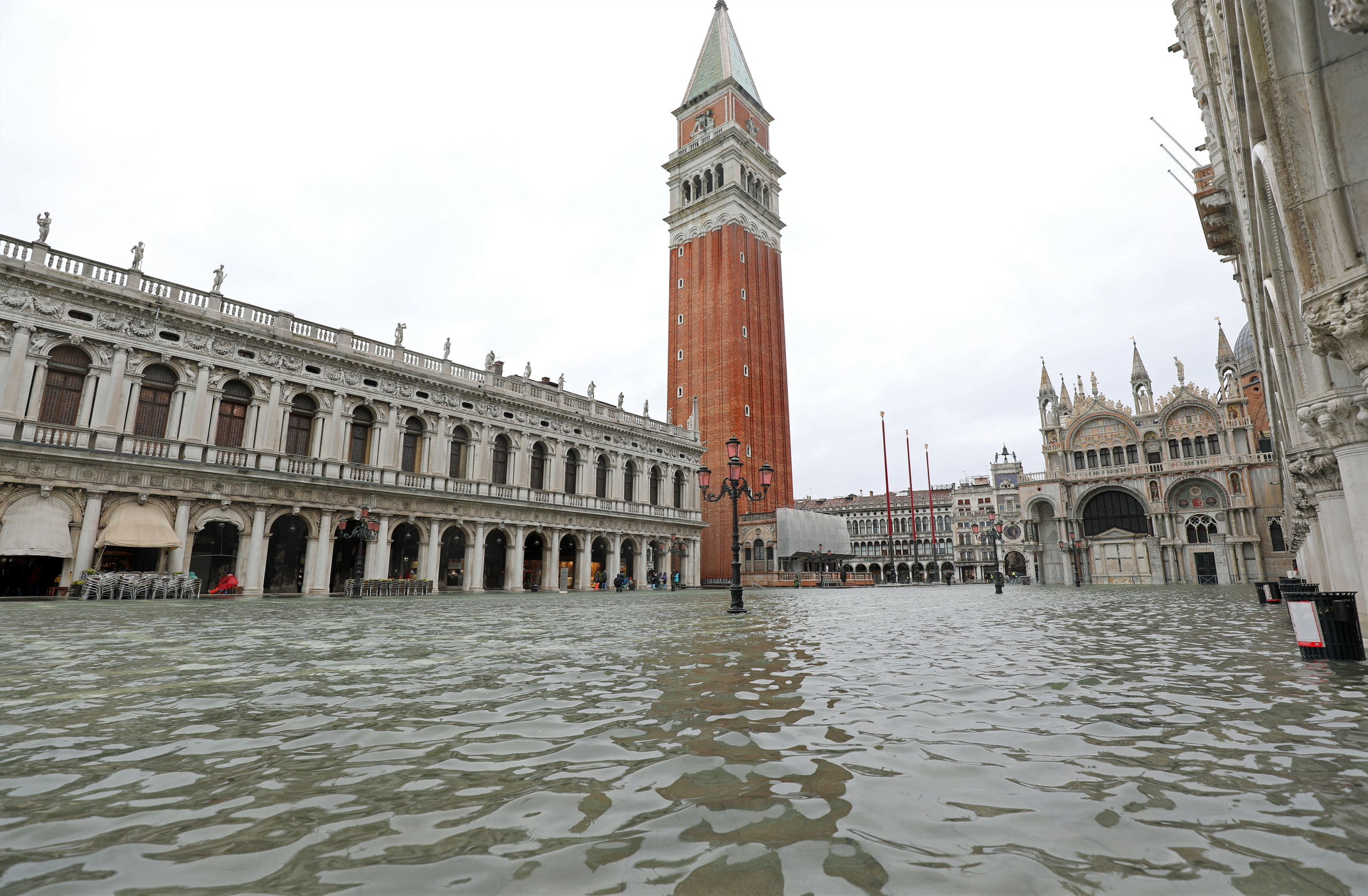
Having the ability to rapidly and flexibly address flood impacts is imperative for CEI. Even a few inches of water can age an old building by decades. St. Mark’s Basilica in Venice is nearly a thousand years old, and in the 2019 acqua alta event—when tidal surge and heavy rain flooded most of the city—the Basilica took a multi-million dollar beating. The crypt filled, mosaics were inundated with corrosive salt water, and for the diocese, the revenue from Venice’s 20 million annual tourists fell off completely.
"It hurts to see the city so damaged, its artistic heritage compromised, its commercial activities on its knees," Giuseppe Conte, Italy’s Prime Minister, wrote in an emotional Facebook post.
As the damage was assessed, Carlo Alberto Tesserin, First Procurator and the man responsible for restoring the Basilica to its full glory, attempted to put the 2019 flood in context. “We said last year that the Basilica aged 20 years in a high tide,” he said. “It risks having aged much more than that in this one.”
Ultimately impacts stretched far beyond damaged plaster and frescoes at Venice’s biggest Basilica. When a church closes in a smaller town, the surrounding economy takes a hit: tourists vanish, small shops lose foot traffic, events get canceled, and the town’s cultural heart goes dark. That can linger for months if insurance capital is slow.
A Transparent Policy Monitoring and Trigger View for All Stakeholders
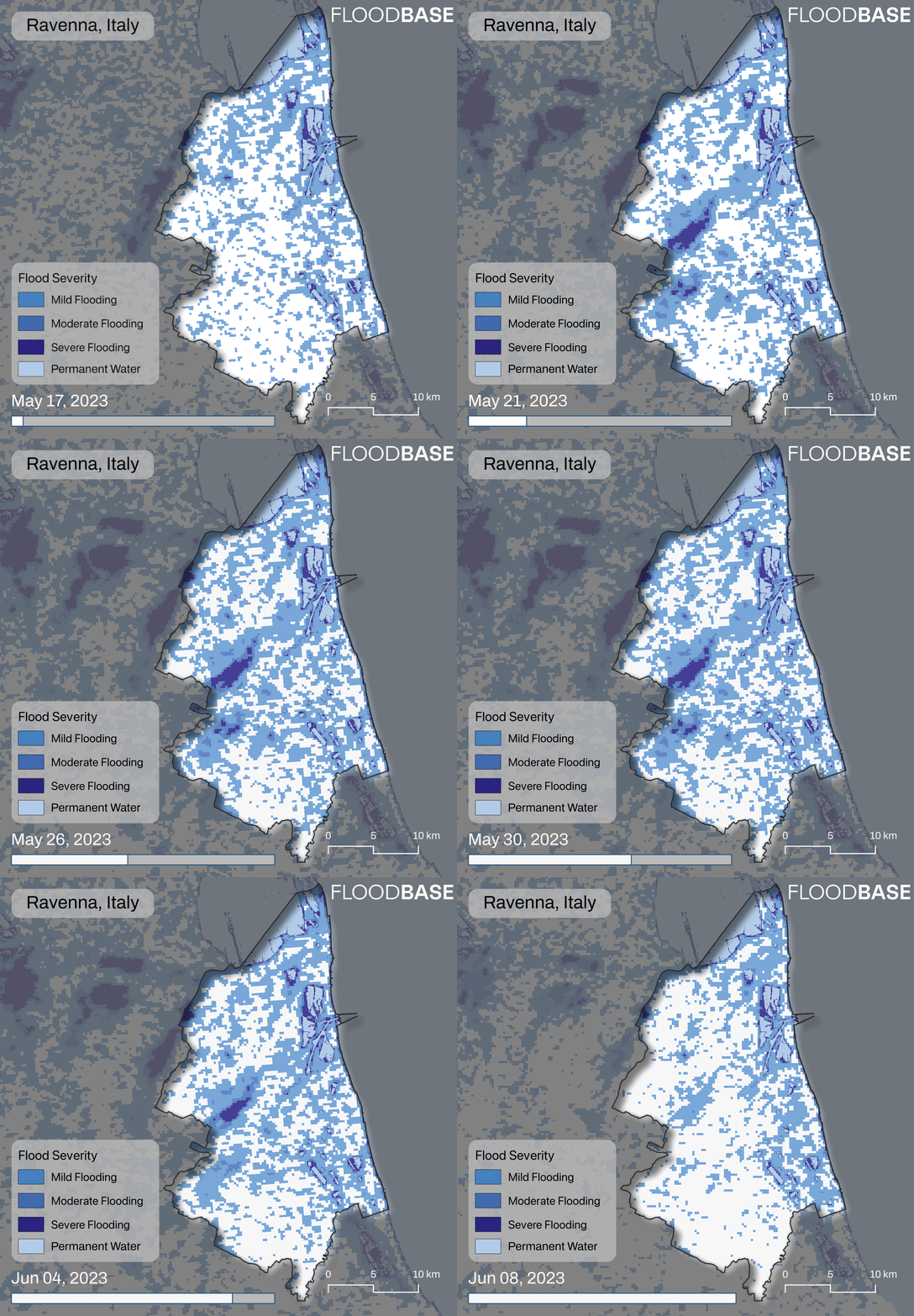
For parametric to work, trusting the trigger is essential. During torrential rain in Northern Italy in September, CEI officials could access Floodbase’s FloodView application and watch how the event expanded across predefined trigger thresholds. When the policy triggered, all stakeholders had the same information, the payout moved in days, not years—no adjusters, no delay. For CEI, this meant that capital to address direct or indirect impacts became readily available. When addressing large property portfolios, that simplicity is starting to look cost-effective and resilient.
A trigger's reliability is equally important. Conventional gauges and ground sensors often fail during extreme events or only capture flooding at a few points, missing the geographic reach needed to effectively cover dispersed assets over larger areas. Floodbase continuously generates flood-extent maps derived by combining satellite imagery and verified ground observations with scientifically and industry-leading AI. This gives insurers a trusted basis to consistently measure a flood event’s extent—removing the need for boots-on-the-ground assessment before capital moves.'
A Globally Repeatable Flood Cover Approach
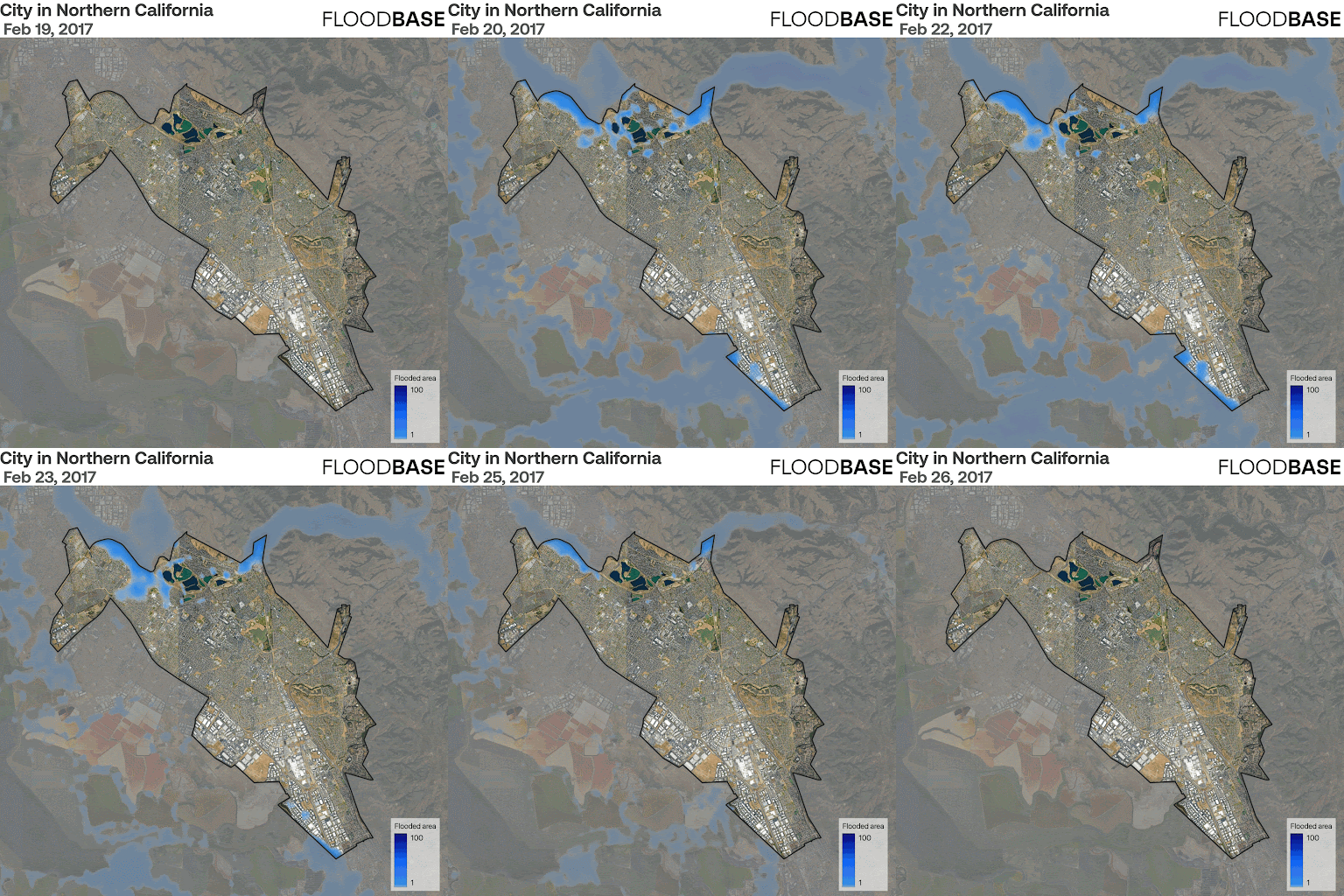
Companies and governments with massive real estate portfolios are often left with direct or indirect costs that traditional insurance doesn’t cover. That’s one of the core takeaways from the increasing popularity of parametric flood coverage as a simplified risk transfer solution across the globe. Like CEI, counties and municipalities in California are relying on city-wide parametric flood policies to secure rapid liquidity and limit their exposure to the now infamous resurgence of atmospheric rivers. Colombian farmers have adopted a similar product to hedge revenue impact from flood damage, cutting into their crop yields.
Relying on a replicable and scalable approach, Floodbase partners with re/insurers and MGAs to cover risk for large portfolio Parametric Flood programs for commercial and public sector clients, including city-wide covers in the United States and nationwide programs like Italy’s CEI. When reinsurers underwrite large policies and leading institutions participate in a new product category like this, it signals true market readiness.
Floodbase is ready to help carriers offer similar solutions to their own clients, at scale and globally. To explore how Parametric Flood can be an effective risk instrument for your client’s portfolio strategy, get in touch.


